
How AI Is Redefining Websites and Online Engagement

Introduction
Websites used to be simple. You’d design a few pages, publish them, and hope visitors found what they needed. That approach no longer works.
Today’s users expect websites to be fast, intuitive, personalised, and responsive — and they expect this instantly. Attention spans are shorter, competition is fiercer, and digital experiences are now judged in seconds.
This shift is driving a major transformation in how websites are designed and built. At the centre of it all? Artificial intelligence.
AI is redefining what digital experiences look like, how they function, and how businesses engage with users online. In this article, we’ll explore how AI is shaping the future of websites, digital interaction, and online engagement — and why organisations that adapt early will have a serious advantage.

From Websites to Living Digital Platforms
Modern websites are no longer static collections of pages. They are living platforms that adapt in real time based on user behaviour, data, and intent.
AI enables websites to:
- Learn from user interactions
- Adjust content dynamically
- Optimise layouts automatically
- Improve performance continuously
Instead of relying on assumptions, AI-powered websites evolve based on actual usage patterns.
This marks a fundamental shift: websites are no longer just designed — they are trained.
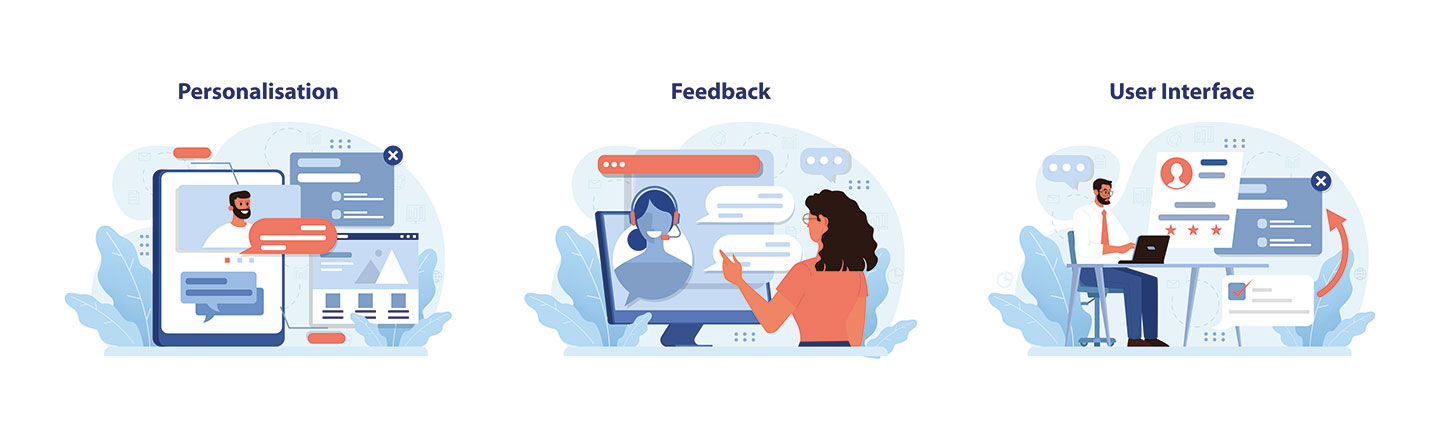
Personalisation at Scale (Without the Guesswork)
Personalisation used to be difficult, expensive, and time-consuming. AI changes that.
With machine learning and behavioural analysis, websites can now:
- Show different content to different user segments
- Personalise messaging based on intent
- Adjust CTAs dynamically
- Recommend relevant services or resources
The result is a more relevant experience that feels tailored — without manual intervention.
This level of personalisation isn’t just about engagement. It directly impacts:
- Conversion rates
- User satisfaction
- Brand perception
In a digital-first world, relevance wins.

AI-Driven UX and Design Decisions
Good design has always been about understanding users. AI simply accelerates that understanding.
AI tools can analyse:
- Click behaviour
- Scroll depth
- Heatmaps
- Drop-off points
- Navigation patterns
This data allows designers and developers to make smarter decisions backed by real evidence rather than assumptions.
Instead of redesigning entire websites every few years, AI enables continuous UX optimisation, improving performance incrementally over time.
Intelligent Content That Adapts in Real Time
Content is no longer one-size-fits-all.
AI allows content to:
- Change based on user behaviour
- Adapt to location, device, or traffic source
- Update dynamically based on performance
For example, headlines, layouts, and messaging can be tested and optimised automatically, ensuring the most effective version is always live.
This creates a feedback loop where content continuously improves — without constant manual updates.
Conversational Interfaces Are Becoming the Norm
Users no longer want to search endlessly for information. They want answers — fast.
AI-powered conversational interfaces, such as chatbots and virtual assistants, are becoming standard features on modern websites.
When implemented correctly, they can:
- Guide users through complex journeys
- Answer questions instantly
- Qualify leads
- Reduce friction
The key is balance. The best conversational AI feels helpful, not intrusive — and always offers a clear path to human interaction when needed.
Performance, Accessibility, and Speed — Optimised by AI
Website performance has a direct impact on engagement, SEO, and revenue.
AI can automatically:
- Optimise load times
- Detect accessibility issues
- Improve mobile performance
- Identify technical bottlenecks
This proactive optimisation ensures websites meet modern standards without relying solely on manual audits.
Search engines increasingly reward sites that deliver fast, accessible, and user-friendly experiences — making AI-driven optimisation a competitive advantage.
SEO in an AI-Driven Web
Search engines themselves are powered by AI — and websites must adapt accordingly.
AI-enhanced SEO helps by:
- Understanding search intent more accurately
- Structuring content for semantic search
- Optimising internal linking
- Improving on-page performance
Instead of chasing algorithms, AI allows websites to align more closely with how people actually search and consume information.
The result is stronger visibility and more qualified traffic.
Security and Trust in a Smarter Web
As digital experiences become more intelligent, security becomes more important.
AI can help:
- Detect suspicious behaviour
- Prevent fraud
- Monitor vulnerabilities
- Protect user data
Trust is a core component of digital experience. AI helps maintain that trust while allowing platforms to scale safely.
The Role of Strategy in an AI-First Digital World
AI is powerful — but it’s not a replacement for strategy.
The most successful digital platforms combine:
- Clear business goals
- Strong brand identity
- Thoughtful UX design
- Intelligent AI implementation
Without strategy, AI becomes noise. With strategy, it becomes a multiplier.
This is why AI should never be bolted on as an afterthought — it must be integrated into the foundation of digital experience design.
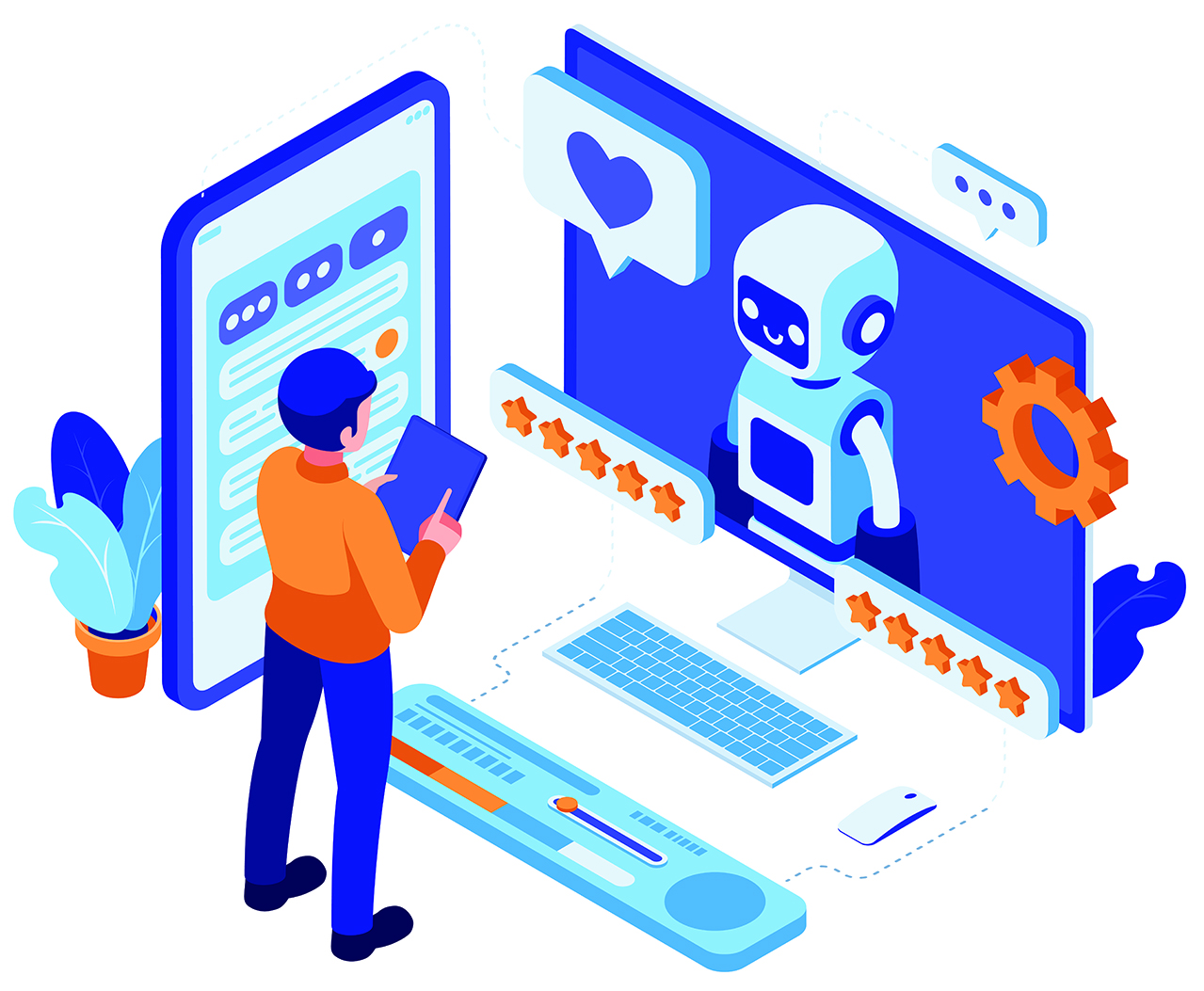
Final Thoughts: The Future Is Adaptive
The future of digital experience isn’t about flashy features or trends. It’s about adaptability.
Websites and platforms that learn, evolve, and respond to users in real time will outperform those that remain static.
AI isn’t just shaping the future of the web — it is the future of the web.
Organisations that embrace this shift now will set the standard for digital engagement in the years ahead.
Drop us a line
We would love to work with you on your next project or breathe new life into an existing one. Speak to our experts today!
Contact us
Get In Touch. Drop Us a Line.
Got a question? An idea? Or ready to start your digital journey?